


Transformation starts with understanding each sector
Artificial intelligence does not add the same value in every context. Each sector has its own processes, knowledge, information and constraints, and understanding them is essential to identify where AI can really make a difference.
At LurNova we combine sector knowledge, engineering and technology to turn the opportunities of AI into solutions tailored to the reality of each organisation.
To make the most of its potential, you need to understand how people work, which decisions are made and what the main challenges are in each sector. That is where we can identify the AI applications that can have the greatest impact and turn them into useful solutions for everyday work.
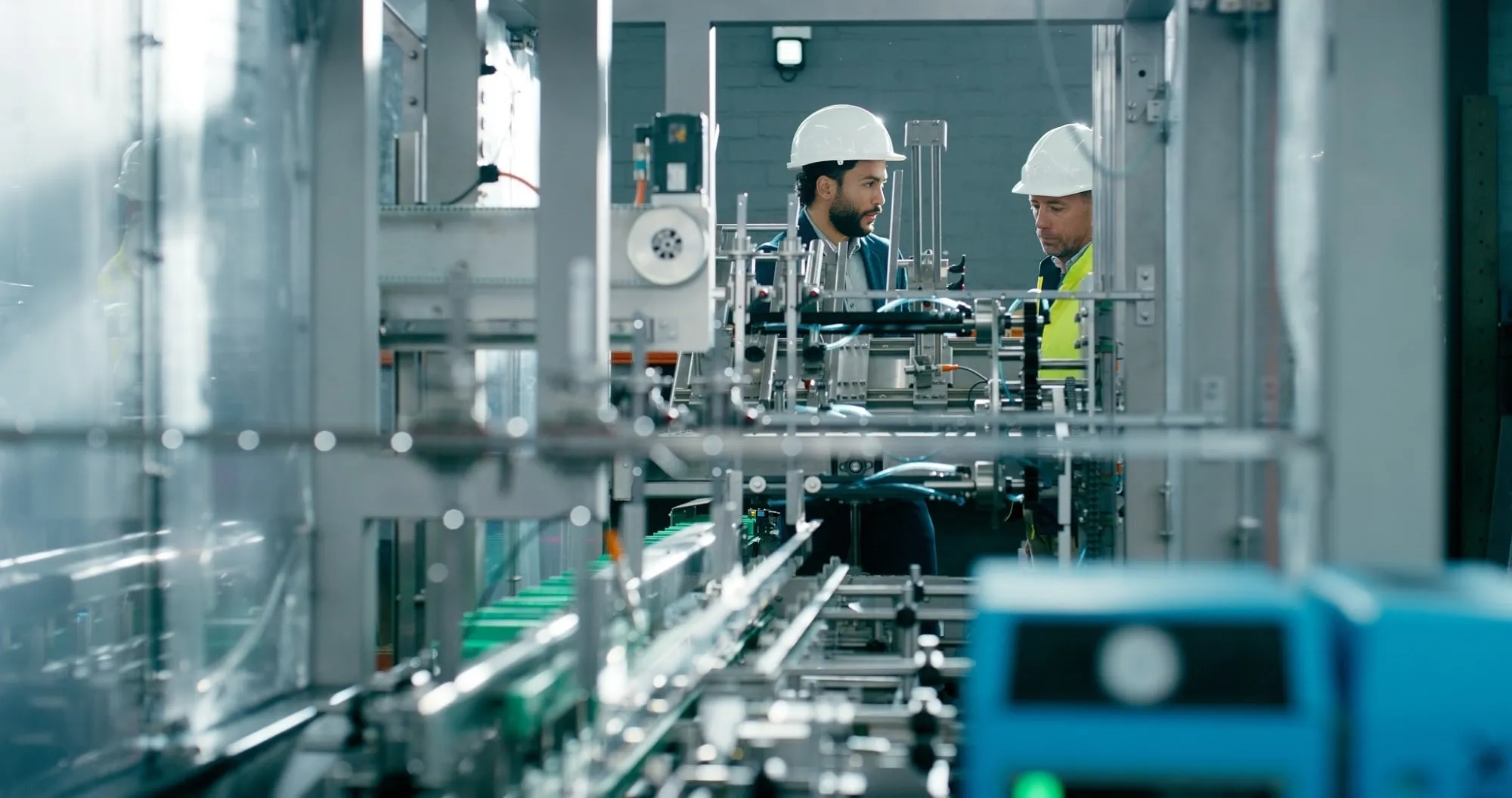
Industry & Manufacturing
AI to put knowledge at the service of operations
We apply AI to reduce downtime, resolve incidents and support maintenance, putting procedures, historical records and technical experience within reach of teams when they need them.

Engineering & Technical Services
AI to multiply the value of technical knowledge
We turn documentation, drawings, specifications and accumulated experience into reusable knowledge, so that what was learned on previous projects can help develop and make decisions on the next ones.

Education & Training
AI to create new ways of teaching and learning
We build solutions that adapt content, support learning and make it easier to interact with educational materials, offering new tools to students as well as teachers and training teams.

Financial Services & Insurance
AI to speed up processes without losing control
We apply AI to activities such as document review, information analysis, processing and case management, reducing manual work while keeping the traceability that heavily regulated processes require.

Health & Medicine
AI to bring knowledge closer to professionals
We make it easier to access specialist information, documentation and clinical or care knowledge, helping professionals find, consult and prepare the information they need in their work.

Public Sector & Government
AI to make public services more accessible
We apply AI to make regulations and procedures easier to consult, speed up administrative work and improve access to information, both for public-sector staff and for the services they provide.

Legal & Compliance
AI to streamline work with regulations and contracts
We make it easier to search, review, compare and analyse contracts, regulations and regulatory documentation, helping teams work with large volumes of information without losing sources or context.


Frequently asked questions
In which sectors can artificial intelligence be applied?+
Artificial intelligence can be applied in sectors such as industry, engineering, education, finance, insurance, healthcare, public administration, legal services, energy and logistics. Its applications vary according to each sector's processes, the type of information available and its needs, from task automation to document analysis and knowledge management.
How are AI opportunities identified in each sector?+
Identifying AI opportunities requires understanding each sector's processes, operational needs and main challenges. At LurNova we analyse how organisations work, what information they use and where there are tasks or decisions that can benefit from artificial intelligence. This makes it possible to prioritise use cases that are viable and aligned with business goals.
Which artificial intelligence applications add the most value to organisations?+
It depends on the sector and on each organisation's processes. Among the most common applications are the automation of administrative tasks, document analysis, technical information lookup, knowledge management and support for incident resolution. The greatest value is usually found in processes where AI can reduce manual work, make relevant information easier to access or improve operational efficiency.
Can AI solutions be adapted to the specific processes of each sector?+
Yes. AI solutions can be designed to work with each organisation's own procedures, documents, systems and information sources. This adaptation makes it possible to bring artificial intelligence into existing processes, taking into account the operational, technological and regulatory particularities of each sector.
How is AI used in regulated sectors such as healthcare, finance or public administration?+
In regulated sectors, adopting AI requires particular attention to data protection, security, traceability and human oversight. Solutions must be adapted to the type of information they process, the risks of each application and the corresponding regulatory requirements. LurNova builds these considerations into the technology design, without replacing the compliance responsibilities of each organisation.
Do you need large volumes of data to apply AI in an organisation?+
Not always. Many AI applications can make use of documentation, procedures, knowledge bases and other information resources already available in the organisation. What matters is identifying what information each solution needs, assessing its quality and determining how it can be used safely and usefully for the intended use case.

Let's talk about your sector
The best applications of AI start with a specific challenge and a clear understanding of the context in which it must be solved. That might mean streamlining a process, improving access to knowledge, automating certain tasks or creating new capabilities for teams.
Tell us what you want to achieve and let's explore how to turn that need into a solution that fits the reality of your organisation.